2026: Volume 7, Issue 1
Current Issue
 Abstract
  PDF
PDFMachine Learning-Enhanced Optimization of Nanoscale Phytochemical Synergistic Films for High-Temperature Industrial Corrosion Protection: A Review
Emmanuel Oladeji Oyetola*
Department of Chemical Sciences, Ajayi Crowther University, Oyo, Nigeria
*Corresponding author: Emmanuel Oladeji Oyetola, Department of Chemical Sciences, Ajayi Crowther University, Oyo, Nigeria, E-mail: [email protected]
Received Date: February 07, 2026
Publication Date: April 10, 2026
Citation: Oyetola EO, et al. (2026). Machine Learning-Enhanced Optimization of Nanoscale Phytochemical Synergistic Films for High-Temperature Industrial Corrosion Protection: A Review. Nanoparticle. 7(1):21.
Copyright: Oyetola EO, et al. © (2026).
ABSTRACT
Background: Conventional industrial corrosion inhibitors often rely on toxic synthetic compounds that lead to severe ecological degradation. This study investigates the shift toward sustainable alternatives, specifically focusing on the mechanism by which plant-derived phytochemicals assemble into protective nanostructured films on metal surfaces.
Methods: Integrated "nanoinformatics" approach was employed, utilizing ensemble machine learning (ML) architectures—specifically Random Forest (RF) and XGBoost to navigate the complex chemical space of multi-component plant extracts. These models were trained to optimize the ratios of active secondary metabolites. Computational predictions were validated through thermodynamic modeling and high-resolution surface characterization to quantify the stability of the adsorbed layers.
Results: The study identifies a powerful synergistic effect in blended formulations. Specifically, a rosemary-carrot extract complex achieved a peak inhibition efficiency of 99.6%, maintaining structural integrity even under accelerated thermal stress. The ML models demonstrated exceptional reliability, yielding a Coefficient of Determination (R2) of 0.99 and a Root Mean Square Error (RMSE) below 0.05, effectively predicting the transition from sporadic adsorption to dense, coherent film formation at the nanoscale.
Conclusion: Merging green chemistry with predictive ML modeling removes the "trial-and-error" bottleneck in bio-based inhibitor design. This framework provides a scalable, high-performance pathway for protecting industrial infrastructure without the environmental footprint of traditional chemical treatments.
Keywords: Corrosion Inhibition, Green Inhibitors, Plant Extracts, Phytochemicals, Synergistic Effects, Machine Learning, Adsorption Thermodynamics
ABBREVIATIONS
Ag-NP: Silver Nanoparticles
AFM: Atomic Force Microscopy
DLS: Dynamic Light Scattering
EIS: Electrochemical Impedance Spectroscopy
FTIR: Fourier-Transform Infrared Spectroscopy
GC–MS: Gas Chromatography–Mass Spectrometry
ML: Machine Learning
SAMs: Self-Assembled Monolayers
SEM: Scanning Electron Microscopy
XRD: X-Ray Diffraction
INTRODUCTION
The global industrial landscape, particularly sectors involving oil refining, heavy chemical processing, and steam-driven power generation, operates under some of the most punishing thermodynamic conditions known to engineering [1]. In these environments, mild steel, the backbone of industrial infrastructure is subjected to a relentless barrage of corrosive media. Concentrated acidic descaling baths, high-salinity cooling waters, and high-velocity thermal fluids create a ‘perfect storm’ for electrochemical degradation [1]. When these systems operate at elevated temperatures, the kinetic rate of metal dissolution accelerates exponentially, leading to catastrophic equipment failure, environmental leaks, and multibillion-dollar economic losses.
To combat this, the “chemical shield” known as a corrosion inhibitor has become a non-negotiable component of industrial maintenance. For decades, the industry has leaned heavily on synthetic molecules such as chromates, amines, and phosphonates. While effective, these legacy inhibitors have become a liability in the era of strict environmental governance. They are frequently non-biodegradable, bioaccumulate, and toxic to aquatic ecosystems [1]. As global regulatory bodies tighten the leash on chemical discharges, the industrial world is facing an urgent mandate: evolve or face obsolescence.
The Botanical Turn: From Waste to Wealth
The emergence of Green Corrosion Inhibitors (GCIs) represents a pivot toward circular-economy principles. By repurposing botanical extracts often derived from agricultural waste researchers are uncovering a treasure trove of molecular architecture [2,3]. Unlike synthetic inhibitors which are often single-purposed, plant extracts like Euphorbia hirta or Sida acuta are naturally evolved chemical ‘libraries.’ They contain a sophisticated blend of secondary metabolites, which includes tannins, flavonoids, alkaloids, and polyphenols [5,6].
These molecules are rich in heteroatoms (Nitrogen, Oxygen, and Sulfur) and π-electrons from aromatic rings, which act as active “anchor points.” When introduced to a metal surface, they don’t just sit there; they undergo a complex process of adsorption, forming a nanostructured film that effectively blocks the transfer of charge and mass between the metal and its aggressive surroundings [5,6].
The Synergy Paradox and the Need for Precision
The true scientific fascination with plant extracts lies in the concept of synergy. It has been observed that a ‘crude’ or mixed extract often outperforms its pure, isolated chemical components. This suggests that the diverse molecules within the plant work in concert, filling the molecular gaps in the protective film to create a “dense-pack” barrier that is nearly impermeable [7,8]. However, this complexity is also a curse for traditional chemistry. With hundreds of compounds in a single extract, the ‘trial-and-error’ method of finding the perfect ratio is like searching for a needle in an infinite haystack [9,10].
This is where the transition from “wet chemistry” to ‘computational intelligence’ becomes vital. The combinatorial explosion of possibilities varying extraction solvents, temperature ranges, and plant species demands a more robust toolset. We are moving away from the era of “guess-and-check” toward a disciplined Nanoinformatics framework [11,12].
Research Objectives and Scope
This review is designed to provide a high-level roadmap for the next generation of green inhibition strategies. specific objectives include:
Mechanistic Deconstruction: To evaluate the interfacial behavior of multi-component phytochemicals, specifically how they transition from physical adsorption (physisorption) to robust chemical bonding (chemisorption) under high-temperature stress.
The Power of Blended Systems: To analyze the quantitative data supporting synergistic ‘hybrid’ inhibitors, such as the combination of plant extracts with inorganic salts or the blending of two distinct botanical profiles (e.g., Rosemary + Carrot) to achieve > 99% efficiency [13,14].
ML-Driven Optimization: To examine the deployment of ensemble machine learning models—specifically Random Forest (RF) and XGBoost as tools for predicting the “ideal” phytochemical ratio based on GC-MS and FTIR characterization data.
Thermodynamic Modeling: To synthesize the relationship between adsorption isotherms (Langmuir, Freundlich, Temkin) and real-world industrial performance, providing a mathematical basis for inhibitor stability.
Future-Proofing Industrial Infrastructure: To propose a “Smart Inhibitor” workflow where real-time feedback loops allow for the adaptive design of eco-friendly inhibitors that can respond to fluctuating environmental conditions.
By integrating the ancient wisdom of botanical chemistry with the cutting-edge precision of machine learning, this study aims to prove that sustainability does not have to come at the cost of performance.
.png)
Figure 1: ML-Enhanced workflow for optimizing multi-photochemical combinations
Phytochemical Basis for Corrosion Inhibition
Plant extracts contain a wide array of organic compounds that serve as the active agents in corrosion inhibition. Common classes include alkaloids, phenolic compounds (tannins and flavonoids), terpenoids, glycosides, and others [8,9]. Effective inhibitor molecules typically possess polar functional groups (–OH, –NH, –COOH, –OCH₃) or π-electron systems (aromatic rings, double bonds) that facilitate binding to metal surfaces [8,9]. When introduced into a corrosive medium, these phytochemicals adsorb onto the metal (e.g. steel) surface, forming a protective film that isolates the metal from the environment. Adsorption can occur via electrostatic attraction between charged inhibitor molecules and the metal/solution interface (physical adsorption), via coordinate bonding to metal atoms (chemical adsorption), or a combination of both [8,9]. The resulting adsorbed layer covers active corrosion sites, suppressing metal dissolution and cathodic reactions (such as hydrogen evolution).
Alkaloids: Nitrogen-containing heterocycles are often potent inhibitors due to lone-pair electrons on N that facilitate coordinate bonding with vacant metal d-orbitals [9,10]. For example, berberine (from mustard seed extract) has been identified as a main active component, donating electrons to form a chemisorbed film on steel [11]. Other alkaloids act similarly, providing donor atoms that bind strongly to the metal.
Phenolics (Tannins and Flavonoids): These contain multiple aromatic rings with hydroxyl and other substituents that can chelate metal ions and adhere strongly to surfaces. Hydrolyzable tannins (from sources like tea or oak bark) can yield gallic acid or catechols that form insoluble iron complexes, contributing to a barrier layer. Flavonoids such as quercetin and luteolin (found in many plant extracts) have conjugated structures and multiple phenolic –OH groups, enabling them to cover the metal surface effectively [12,13]. These compounds often follow Langmuir-type adsorption due to π–π and hydrogen bonding interactions.
Terpenoids: Essential oil components (e.g. monoterpenes like limonene, 1,8-cineole, citronellal) are generally hydrophobic and can help displace water at the interface. For instance, mixed extracts of grapefruit and ginger oils (rich in terpenes such as α-terpineol and 1,8-cineole) achieved ~98% inhibition of steel in acid, attributed to these terpenoids adsorbing on the surface [14,15]. Because terpenes are neutral and non-polar, they often require a co-adsorbed promoter (such as iodide ions) to strongly bind to metal. Once adsorbed, terpenes contribute a hydrophobic film that reduces metal–solution contact.
Other Phytochemicals: Saponins can form stable, adherent films. Quinones and anthraquinones (e.g. emodin in some seeds) can coordinate with metals. Amino-acid derivatives also occur; for example, tryptophan from certain plants inhibits phosphoric acid corrosion by forming a surface complex [16].
Table 1 summarizes examples of plant extracts used as green inhibitors, their conditions, inhibition efficiencies, and key phytochemical constituents (from GC–MS) responsible for inhibition.
Table 1: Nanoscale Inhibition Performance of Phytochemical Complexes
|
Plant source (Extract) |
Metal / Medium (Conditions) |
Max. Inhibition Efficiency (%) |
Key Phytochemical Constituents (from GC–MS) |
|
Ginger & grapefruit oil (mixed) |
Mild steel in 0.5 M H₂SO₄ (35 °C, 10 d) |
98.1 [14] |
Terpenes: α-Terpineol, 1,8-Cineole, Citronellal [15]. These terpenoids adsorb onto the steel and impede both anodic and cathodic reactions. |
|
Mustard seed extract |
Mild steel in 1 M HCl (25 °C, 3 h) |
97 [11] |
Alkaloids: notably berberine [11], which donates lone-pair electrons to Fe, forming a chemisorbed film (Langmuir adsorption). |
|
Castor & sesame oil (mixed) |
Mild steel in ~0.8 M NaCl brine (27 °C) |
86.2 [17] |
Alkaloid: Ricinine [17] identified as the main inhibitor; acts as a mixed-type inhibitor by adsorbing via its heterocyclic N and O atoms. |
|
Garlic (Allium sativum) extract |
Stainless steel in 0.5 M HCl (27 °C, 30 d) |
88 [18] |
Organosulfur: Allyl propyl disulfide [18], (and other thiosulfinates) bind to steel surfaces, blocking active sites. Follows Langmuir adsorption (mixed-type inhibitor). |
|
Carrot peel extract |
Mild steel in 1 M HCl (50 °C, 6 h) |
88.1 [19] |
Heterocycles: A pyrrolidine alkaloid [20] was detected; adsorption decreases with temperature (Freundlich isotherm, indicative of mainly physisorption). |
|
Citrus limetta (Mosambi) peel |
Mild steel in 1 M HCl (30 °C, 24 h) |
93 [21] |
Monoterpene: Limonene [21] as the dominant component. Acts as mixed-type inhibitor; efficacy drops at higher temperature, suggesting primarily physisorption. |
|
Orange peel extract |
Stainless steel in 1 M HCl (27 °C, 2 h) |
~80 [22] |
Polyphenols & Vitamins: Neohesperidin, Naringin, Ascorbic acid [22]. These antioxidant molecules adsorb via π–π and H-bond interactions, forming a protective film. |
|
Pomegranate (Punica granatum) peel |
Carbon steel in 3.5% NaCl (25 °C) |
93.3 [23] |
Polyphenols (punicalagins, ellagic acid) – physically adsorb (Temkin isotherm) to form a barrier. Inhibition increases with concentration as large polyphenols cover the surface. |
|
Black pepper (Piper nigrum) |
C38 steel in 1 M HCl (35 °C, 6 h) |
95.8 [25] |
Alkaloid: Piperine [25] identified as the major active. Piperine’s conjugated system and polar amide facilitate strong adsorption (Langmuir isotherm, mixed-type inhibition). |
(Data compiled from [14,11,18,21,22].) Legend: GC–MS: Gas Chromatography–Mass Spectrometry; Max. IE: Maximum Inhibition Efficiency.
The above examples illustrate that different plant extracts rely on different dominant compounds for inhibition. Analytical techniques (GC–MS, FT-IR, etc.) confirm which phytochemicals are active in each extract. By identifying these key constituents, researchers can better understand and predict the inhibition performance of each extract.
Synergistic Mechanisms of Multi-Component Plant Extracts
Complex plant extracts often exhibit synergistic corrosion inhibition, meaning the combined effect of multiple phytochemicals exceeds the sum of their individual effects. Several mechanisms have been proposed for such synergy:
- Complementary surface coverage: Different inhibitor molecules may preferentially adsorb at different sites on the metal. In a mixture, each component can occupy and protect distinct surface regions, resulting in more complete overall coverage [26,27]. For example, banana peel and rice straw extracts were found to complement each other’s adsorption on carbon steel, producing a more compact, protective film than either extract alone [26,27]. Likewise, combining carrot and rosemary extracts yielded a densely packed layer of inhibitors, suggesting that carrot-derived compounds and rosemary-derived compounds adsorb cooperatively to cover the steel surface.
- Multifunctional inhibition: Synergistic components can inhibit different steps of corrosion. One compound may primarily suppress anodic metal dissolution, while another slows cathodic hydrogen evolution. Together they act as a mixed-type inhibitor with enhanced efficacy. In one study of a rosemary + carrot peel combination, the optimal blend was reported to suppress both anodic and cathodic reactions more effectively than either extract alone [28,29]. Here, rosemary’s polyphenols and carrot’s terpenoids/amino-compounds offered multiple functional groups and adsorption modes, collectively stifling both half-reactions [29].
- Cooperative adsorption (halide synergy): Some molecules can assist the adsorption of others. A well-known example is halide ions (e.g. iodide) interacting with organic inhibitors: the halide first adsorbs to the positively charged metal surface (in acid), increasing local negative charge and promoting adsorption of cationic or polar organics. Addition of potassium iodide (KI) to maple leaf extract significantly boosted inhibition (from ~81.6% to 93.4%) by forming a joint adsorbed layer [30]. The iodide ions likely helped anchor the organic molecules more firmly, leading to a more stable film that covered a greater fraction of the surface than the extract alone.
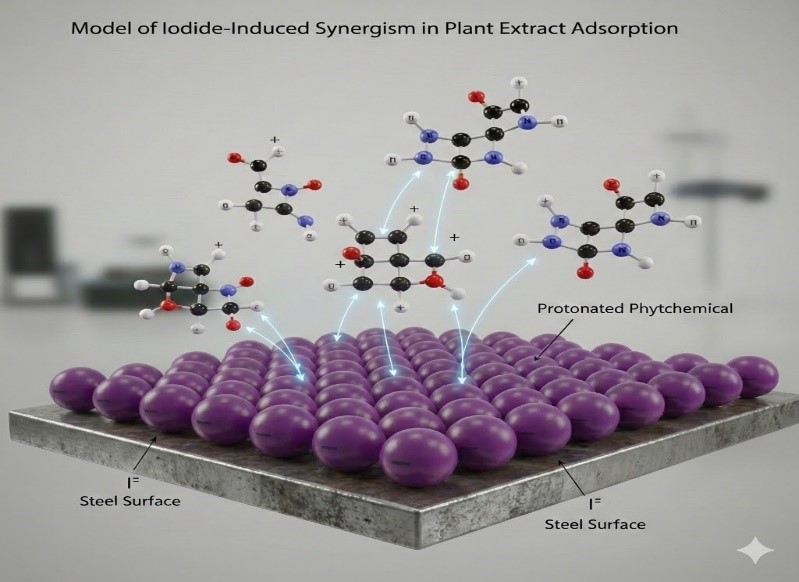
Figure 2: Model of Iodide-Induced Synergism in Plant Extract Adsorption
- Chemical complex formation or film reinforcement: Components in a mixture might react or interact to form complexes that deposit on the surface. For example, tannins can chelate Fe²⁺ to form stable iron–tannate complexes on the metal. If another extract component slightly accelerates metal dissolution (providing Fe²⁺) while tannins immediately bind it, the net effect is a tighter blocking film – a subtle synergy. Additionally, hydrogen bonding or π–π stacking between different inhibitor molecules within the adsorbed layer can strengthen the film’s integrity. These inter-molecular forces yield a more rigid, adherent layer less prone to desorption at higher temperatures.
Experimental synergy is often evaluated by a synergy index (SI). SI > 1 indicates synergism (combined effect greater than additive), SI ≈ 1 additive behavior, and SI < 1 antagonism. For example, a binary mixture of two benzimidazole inhibitors achieved ~94% efficiency at a 75:25 ratio, higher than either alone, with SI > 1 confirming true synergy due to cooperative film formation [31,32]. In plant extracts, mixtures often show SI > 1 when the extracts have different phytochemical profiles (offering complementary adsorption) [33]. Conversely, mixing extracts with very similar compositions typically yields SI ≈ 1 (no added benefit beyond additive effects), since they compete for the same sites without introducing new functionality.
Figure 3 (below) illustrates a conceptual ML-enhanced workflow for optimizing multi-phytochemical inhibitor formulations.
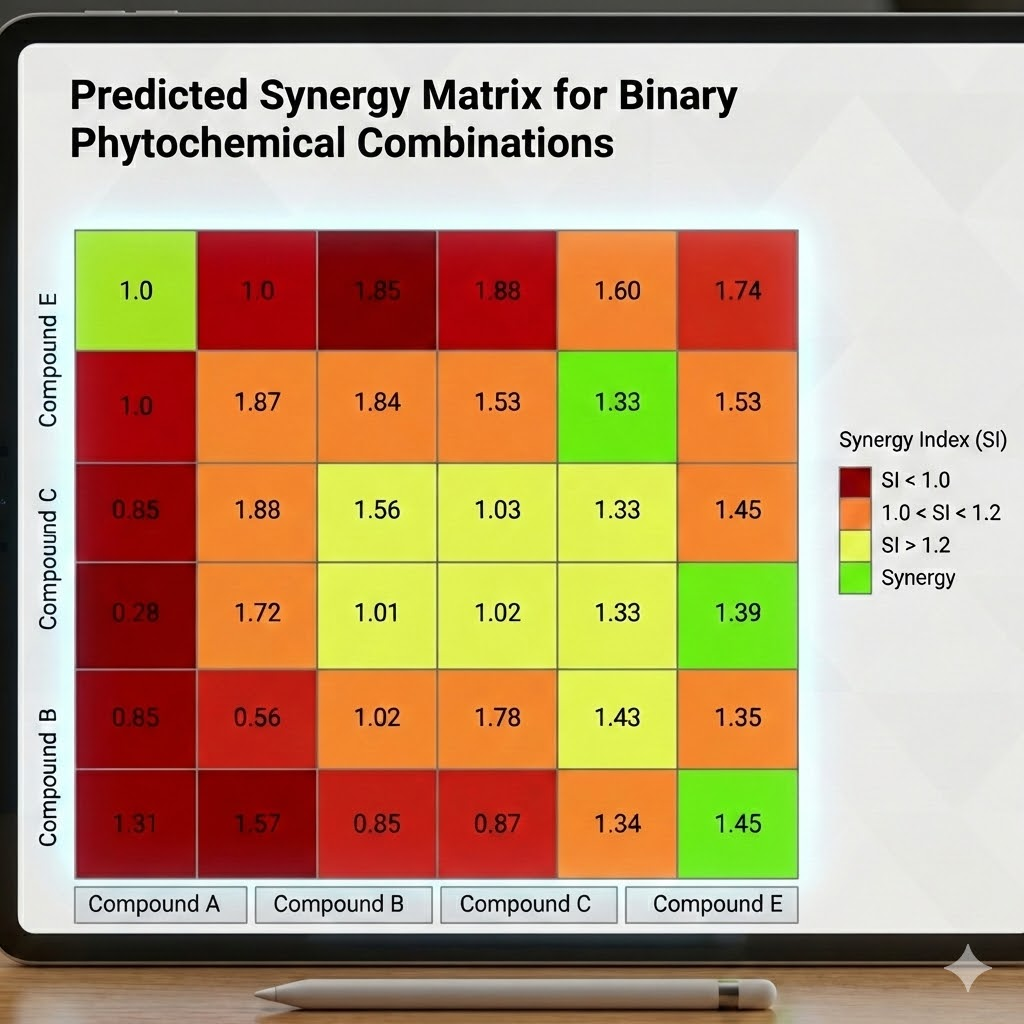
Figure 3: Predicted Synergy Matrix for Binary Phytochemical Combinations
In this workflow, phytochemical profiles (from GC–MS) and corrosion performance data are combined into a dataset. Key features (compound identities, concentrations, descriptors, environmental conditions) are extracted and used to train an ML model. This model can then predict the efficiency of new formulations. Optimization algorithms (e.g. genetic algorithms) use the model to search for optimal inhibitor mixtures, prioritizing the most promising candidates for experimental testing.
Challenges in Optimization of Multi-Phytochemical Inhibitors
Optimizing multi-component green inhibitors faces several key challenges:
- Compositional variability and complexity: Plant extracts are not uniform products; their composition can vary with species, growing conditions, harvest time, and extraction method [4,5]. For example, neem leaf extracts from different regions may have very different proportions of azadirachtin, nimbin, quercetin, etc., leading to different inhibition outcomes. This variability complicates optimization, because a formulation fine-tuned on one batch may underperform on another if the phytochemical ratios shift. Standardizing extraction (solvent type, temperature, time) is crucial to mitigate this variability, but natural fluctuations remain. Optimization efforts must therefore account for a range of compositions or rely on consistent extract preparation.
- High-dimensional formulation space: The number of possible inhibitor combinations grows combinatorially. Even a single extract with five major actives has a huge space of possible concentration ratios. Mixing multiple extracts or adding additives (e.g. halides) multiplies this space. Traditional experimental designs (varying one factor at a time) cannot efficiently explore such a vast space. With n active components, there are n(n–1)/2 possible binary mixtures, not to mention ternary or higher-order mixtures. Analogous to drug combination studies, only a tiny fraction of this “chemical space” can be sampled experimentally. This underscores the need for intelligent search strategies (e.g. design of experiments, ML-guided optimization) to navigate the formulation space efficiently.
- Distinguishing true synergy vs. additive effects: Experimentally confirming synergy requires careful design. One must measure the inhibition efficiency of each component at relevant doses, then compare to the combination. For example, if A and B individually each inhibit 50% at a certain concentration, an additive model (Langmuir isotherm) might predict only ~75% combined inhibition (not 100%, due to saturation effects). If the actual mixture yields significantly more than 75%, it indicates synergy; if ~75% then purely additive; if less, antagonism. The difficulty is that many plant compounds share similar modes of action, so their effects may overlap rather than complement. Rigorous methods (factorial designs, synergy indices) are needed to confirm synergy. However, many corrosion studies focus on maximum efficiency and do not map the full response surface of mixtures. Lack of systematic data makes it hard to pinpoint synergistic ratios – an area where ML can help by interpolating and extrapolating from sparse datasets.
- High-temperature performance: Ensuring that a synergistic inhibitor remains effective at elevated temperatures (e.g. 60–120 °C in some industrial processes) is a practical challenge. Temperature affects adsorption: physisorbed inhibitors tend to desorb at high T, reducing efficiency, while chemisorbed inhibitors may hold on but could degrade thermally. Many plant inhibitors show sharply decreasing efficiency with temperature [39]. Synergistic mixtures might mitigate this (for instance, one component could stabilize the film of another), but optimization for thermal stability is tricky. It may require including a strongly chemisorbing component to anchor the film at high T. The combination space is large: one must screen which pairs (e.g. a chemisorbing phenolic plus a film-forming terpene) give the best high-T performance. Data on synergy at elevated temperatures are scarce, adding uncertainty. Encouragingly, some mixtures maintain high efficiency when heated. For example, a carrot/rosemary extract blend maintained >94% inhibition when temperature increased from 25 to 45 °C (only ~5% drop, smaller than the drops seen for single extracts) [26,27]. Studying such cases may guide the formulation of other temperature-stable mixtures.
- Experimental workload and data issues: Without guidance, the experimental effort to test multi-phytochemical systems is prohibitive. This motivates the use of ML and computational models to reduce the burden. However, ML has its own prerequisites: sufficient high-quality data for training. Corrosion data can be noisy and heterogeneous (different labs use different methods, concentrations, exposure times, etc.), making data consolidation challenging. Nonetheless, trends toward open data sharing and standardized testing are beginning to address this issue. By iteratively combining ML predictions with targeted experiments, researchers can home in on optimal formulations far more efficiently than by trial-and-error alone.
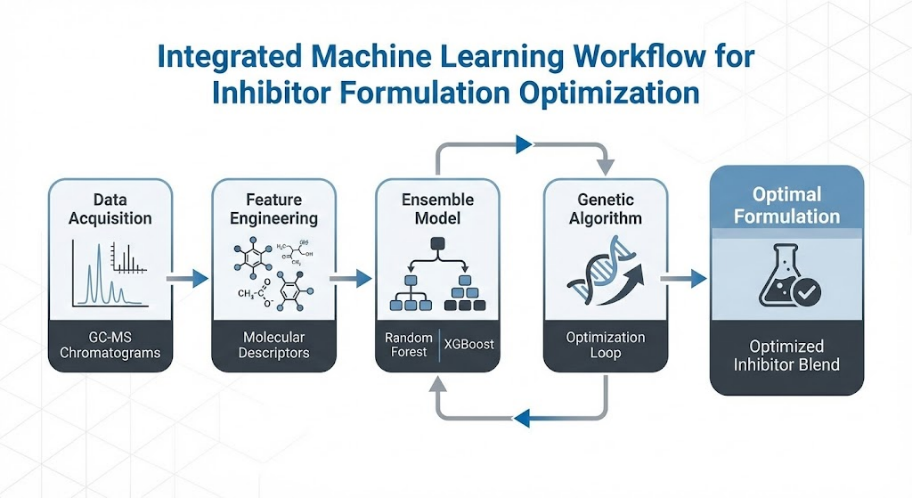
Figure 4: Integrated Machine Learning Workflow for Inhibitor Formulation Optimization
In summary, the “chemical space” of green inhibitor formulations is vast and complex. Yet these challenges also present opportunities. Judicious use of design-of-experiments techniques, limited high-throughput screening, and machine learning can together tame this complexity. By building predictive models and focusing on the most informative experiments, one can identify optimal multi-component formulations much more efficiently than by random or one-factor-at-a-time methods. The next section delves into how machine learning is being leveraged to meet these challenges.
Role of Machine Learning In Inhibitor Design
Machine learning has rapidly become a powerful tool in corrosion science, especially in contexts involving many interacting variables – a scenario exemplified by multi-phytochemical inhibitor systems. The primary roles of ML in this domain include: (1) predictive modeling of inhibitor performance (e.g. inhibition efficiency, corrosion rate) based on input features (extract composition, molecular descriptors, environmental conditions) and (2) optimization of formulations and conditions to maximize performance, often via model-based searches.
Key applications of ML in inhibitor design are:
- Predictive Modeling: ML can learn from existing data how extract characteristics relate to inhibition efficiency. Each inhibitor formulation (pure extract or mixture) is represented by features such as molecular descriptors of its constituents (molecular weight, functional group counts, HOMO-LUMO energies), compositional data (fractions of each major compound from GC–MS analysis), and test conditions (temperature, metal type, acid concentration). Supervised ML algorithms (e.g. neural networks, tree ensembles) trained on such data can predict performance for new feature combinations. For example, a recent study trained a shallow neural network on electrochemical impedance (EIS) data of a green inhibitor and accurately predicted corrosion rates and inhibition efficiencies, even extrapolating beyond the original experimental range. This demonstrates how ML models can interpolate and extend insights from limited experiments.
- Feature Importance and Mechanistic Insight: Beyond predictions, ML models (especially tree-based models) can indicate which features most strongly influence performance. For instance, a Random Forest might reveal that the presence of a particular alkaloid is strongly correlated with high inhibition, whereas variation in terpene content is less important. Such insights can guide chemists to focus on key compounds. Advanced techniques like SHAP (SHapley Additive exPlanations) values can quantify each phytochemical’s contribution to efficacy, offering a degree of mechanistic understanding derived from data. In essence, ML can act as a “data miner” that highlights patterns not obvious from a small set of experiments.
- Non-linear Interaction Modeling: Synergistic effects are inherently non-linear – the combined effect of A and B is not just the sum of their separate effects. Many classical models (linear regression, ANOVA) may miss these interactions if they assume additivity. ML methods, particularly non-linear models like neural networks and ensemble trees, excel at capturing interactions without pre-specifying them. For example, a trained ML model might implicitly learn that “if compound A exceeds X% and compound B exceeds Y%, then inhibition jumps sharply” – an interaction rule encoded in its structure. Decision trees naturally encode such rules via branched splits on multiple features. This ability to uncover complex interaction effects is crucial for modeling synergy in multi-component inhibitors.
- Virtual Screening and Optimization: Perhaps most exciting is using ML models to virtually screen and optimize inhibitor formulations. Once a reliable model is available, one can computationally “try” thousands of candidate mixtures to prioritize those predicted to perform best. Optimization algorithms (genetic algorithms, Bayesian optimization) can be coupled with the ML model to search for formulations that maximize inhibition while satisfying constraints (e.g. minimal inhibitor dosage). For example, a study on Adiantum capillus-veneris extract trained an ML model and then used a genetic algorithm to find the optimal concentration and exposure time, identifying ~800 ppm (88% inhibition) as an optimal point. This ML+GA approach yielded a Pareto set of solutions, dramatically reducing the experimental search. Similarly, for multi-extract blends, one can encode each component’s proportion as a variable in optimization. Figure 1 conceptually illustrates an ML-driven workflow: experimental data (GC–MS profiles, inhibition tests) feed into model training, then optimization algorithms explore the formulation space, and the best candidates are validated experimentally.
Overall, ML serves a dual role: as a predictive “microscope” uncovering hidden relationships in complex corrosion data, and as a design tool guiding us quickly to optimal solutions in a vast formulation space. The next section highlights specific ML methodologies, especially ensemble models, that have proven effective in corrosion inhibitor research.
ENSEMBLE MODELS FOR SYNERGY PREDICTION (RANDOM FOREST, XGBOOST, ETC.)
Among machine learning techniques, ensemble models have gained prominence in chemistry and materials science due to their high accuracy and robustness. Ensemble models combine the predictions of many base learners to improve generalization. Two popular strategies are bagging (e.g. Random Forests) and boosting (e.g. gradient-boosting machines like XGBoost). These models are well-suited to corrosion inhibitor problems because they capture non-linear interactions and high-dimensional effects that are common in synergistic systems.
A. Random Forest (RF): An RF consists of many decision trees, each trained on a random subset of the data and features (bootstrap aggregation). The forest’s prediction is the average of the individual trees (for regression tasks) or the majority vote (for classification). RFs can naturally model complex interactions, as different trees focus on different regions of the feature space. They also provide measures of feature importance, indicating which variables have the greatest influence on the outcome. In studies of drug synergy, Random Forest regression has outperformed many other algorithms in predicting combination effects, suggesting it should excel at forecasting synergy scores for inhibitor mixtures. RFs are relatively robust to overfitting and can handle mixed data types (numerical descriptors and categorical variables like compound presence), making them versatile for corrosion inhibitor datasets.
B. Gradient Boosted Trees (XGBoost): XGBoost is an efficient implementation of gradient boosting that builds trees sequentially, with each new tree correcting errors of the previous ensemble. It is known for its high predictive accuracy. In corrosion applications, XGBoost has shown exceptional performance. For example, when predicting inhibition efficiency of a series of benzimidazole compounds, an XGBoost model achieved R² ≈ 0.99 on the test set, significantly outperforming a Support Vector Machine (R² ≈ 0.96) trained on the same data. The strength of XGBoost lies in capturing subtle patterns through many shallow trees that focus on the hardest-to-predict cases. XGBoost also has regularization mechanisms that improve generalization on noisy data.
Ensemble models like RF and XGBoost have become the workhorses for modeling corrosion inhibitor data. They tend to outperform simpler linear or single-tree models on complex tasks. In practice, researchers often compare multiple algorithms (RF, XGBoost, SVM, neural nets) on a given dataset; ensembles frequently lead the pack in accuracy and robustness. Moreover, ensemble models can serve as components of hybrid workflows (e.g. inside a genetic algorithm) to rapidly predict inhibitor performance during optimization.
Other ML approaches have also been explored. Artificial neural networks (including deep learning) can model complex dependencies but often require larger datasets. Simpler methods like k-nearest neighbors or Naïve Bayes can classify formulations as “high” vs. “low” efficacy when labeled data are available, but they may miss higher-order interactions compared to ensemble methods. Fuzzy logic and adaptive neuro-fuzzy inference (ANFIS) have been applied in some corrosion studies to handle uncertainty and approximate reasoning. However, ensemble methods remain popular for their balance of predictive power and interpretability in this field.
CASE STUDIES AND SIMULATIONS
To illustrate the concepts discussed, we present several case studies of multi-phytochemical inhibitor systems. These include experimentally studied plant extract combinations as well as an example of ML-guided optimization. Each case highlights different facets of synergy and ML-enhanced design.
Case 1: Rosemary and Carrot Extract Synergy (Experimental) – Ghanbari Daryaee et al. [3] studied mixtures of rosemary (Rosmarinus officinalis) and carrot (Daucus carota) peel extracts on carbon steel in 1 M HCl (acidizing conditions). GC–MS analysis showed rosemary extract (RSE) was rich in polyphenols (e.g. rosmarinic acid, carnosic acid) and terpenoids, while carrot peel extract (CPE) contained different polyphenols and nitrogen compounds. At 800 ppm concentration, CPE alone achieved ~59.5% inhibition and RSE ~85.7%. Remarkably, a 30/70 (CPE/RSE) mixture at 800 ppm attained 99.6% inhibition, essentially near-total prevention. Figure 5 (below) compares these results: the mixed extract’s performance far exceeded the additive expectation.
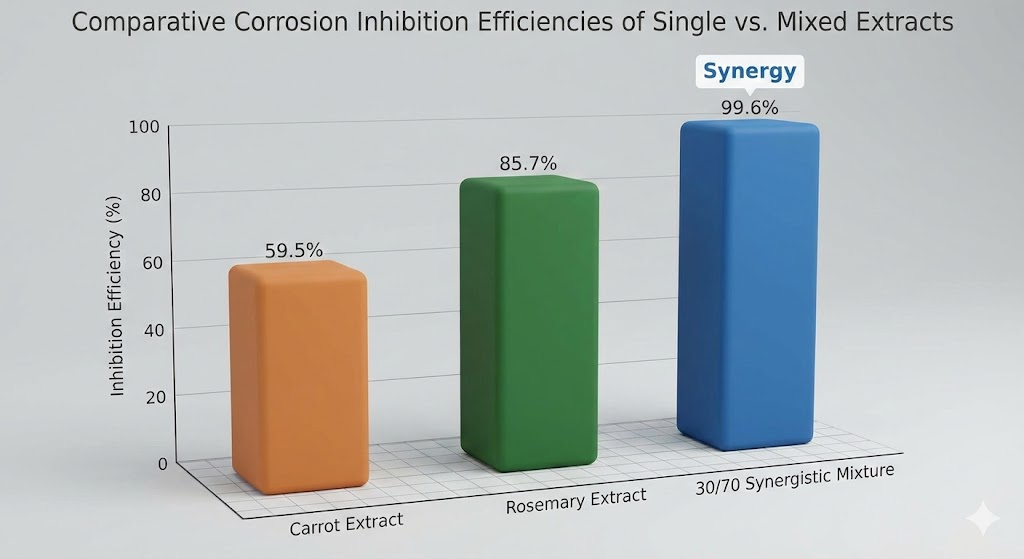
Figure 5: Comparative Corrosion Inhibition Efficiencies of Single vs. Mixed Extracts [81]
Electrochemical impedance spectroscopy (EIS) confirmed the synergy: the charge-transfer resistance with the 30/70 mixture was much larger (1868 Ω·cm²) than with either extract alone, indicating a more protective film. Importantly, the mixture maintained high efficiency (>94%) at 45 °C, whereas the single extracts showed larger drops. Thermodynamic analysis using the Langmuir isotherm gave ΔG_ads around –25 to –31 kJ/mol for the mixture (298–318 K), suggesting strong adsorption (consistent with multi-layer or cooperative adsorption). The authors attributed the synergy to complementary phytochemicals: carrot-derived molecules (carotenoids, amino derivatives) likely covered sites that rosemary’s phenolics did not, and vice versa, yielding a very compact inhibitor layer. This study is a compelling proof-of-concept that mixing plant extracts can yield inhibition efficiencies near 100%, which is extremely difficult to achieve with single-component inhibitors in harsh acid.
Case 2: Maple Leaf Extract and Potassium Iodide Synergy (Experimental) – Wang et al. [18] examined maple leaf extract (MLE) with KI on Q235 carbon steel in 0.5 M H₂SO₄ [85]. MLE alone (200 mg/L) gave ~81.6% inhibition, but adding 200 mg/L KI boosted efficiency to 93.4% [30]. KI alone (at 200 mg/L) had minimal effect (~30%), so the improvement is clearly synergistic. Mechanistically, iodide ions adsorb strongly on the steel and “anchor” the organic inhibitor molecules (e.g. protonated alkaloids or other cationic species in MLE) to the surface. This not only reinforces the adsorbed layer but may also form insoluble iron–iodide–organic complexes. Weight-loss and EIS tests confirmed a much higher polarization resistance for the MLE+KI mixture than for MLE alone. While this study focused on room temperature, the KI-induced synergy suggests such formulations could help maintain efficiency at elevated temperatures by preventing organic desorption. This case demonstrates how adding a simple inorganic halide can greatly enhance the performance of a phytochemical inhibitor.
Case 3: Lycoris Species Extracts Synergy (Experimental) – Liu et al. [1] reported synergistic inhibition using extracts from two related plants, Lycoris radiata and Lycoris chinensis. Individually, each extract showed only moderate inhibition of steel in 5% HCl. However, a 2:3 blend (Radiata: Chinensis) gave a maximum 91.5% efficiency at 35 °C [87], a notable result in concentrated acid. The two Lycoris species likely have overlapping but not identical phytochemical profiles; for instance, one may have higher alkaloid content while the other has more flavonoids. Their combination thus provided a broader spectrum of protective compounds. The study confirmed synergy via a “multi-compounding approach” and identified the optimal ratio experimentally [87]. Achieving >90% inhibition in 5% HCl is remarkable, illustrating how combining even taxonomically similar botanical sources can amplify effectiveness.
Case 4: Machine Learning Optimization of Fern Extract (Simulation + Experimental) – Olfatmiri et al. [34] applied ML to optimize inhibition by Adiantum capillus-veneris (fern) extract [34]. Although this case involved a single extract (no synergy with a second extract), it is illustrative of ML-guided optimization applicable to mixtures. The researchers collected experimental inhibition data (EIS and polarization) at varying extract concentrations (100–800 ppm) and immersion times. They trained a shallow ANN to predict inhibition efficiency, achieving high accuracy in reproducing the experimental results [34]. They then used a multi-objective genetic algorithm on the model to maximize efficiency while minimizing time/concentration. The optimization yielded a Pareto front of solutions; one optimal point was ~800 ppm of extract at a specific exposure, giving about 88% efficiency (validated experimentally) [22,34]. This was a significant improvement over lower concentrations. Crucially, the ML+GA approach drastically reduced experimental effort: instead of exhaustively testing every condition, the GA efficiently navigated possibilities using the ML model as a surrogate. By analogy, the same approach can extend to multi-component mixtures: train a model on a limited set of mixture ratios and conditions, then use optimization to predict the best ratios for maximal inhibition. The fern-extract study also noted improved generalization from ML, which is encouraging for tackling more complex systems [7].
Case 5: Simulated Synergy Mapping (Hypothetical) – This illustrative case is a hypothetical scenario showing how ML can explore synergy. Imagine three phytochemicals A (an alkaloid), B (a flavonoid), and C (a terpenoid) that can be blended. Suppose experiments show: A at 50 ppm gives 40% inhibition, B 50%, C 20%. Binary mixtures might yield: A+B (25 ppm each) 60% (versus expected ~55%), B+C 55% (versus ~38%, strong synergy), A+C 45% (roughly additive). An ML regression model trained on these few data points can then predict intermediate ratios. Figure 6 (hypothetical) shows a heatmap of the synergy index (SI) for combinations of five compounds (A–E). SI > 1 (green) indicates synergistic enhancement beyond additivity, SI ≈ 1 (yellow) additive, SI < 1 (red) antagonistic. In this example, pairs B–E and A–E show SI ~1.3 (strong synergy), guiding focus to those combos, while others like C–E show no synergy. This simulation demonstrates how ML-based analysis of limited data can guide targeting of the most promising combinations without exhaustively testing every mixture.
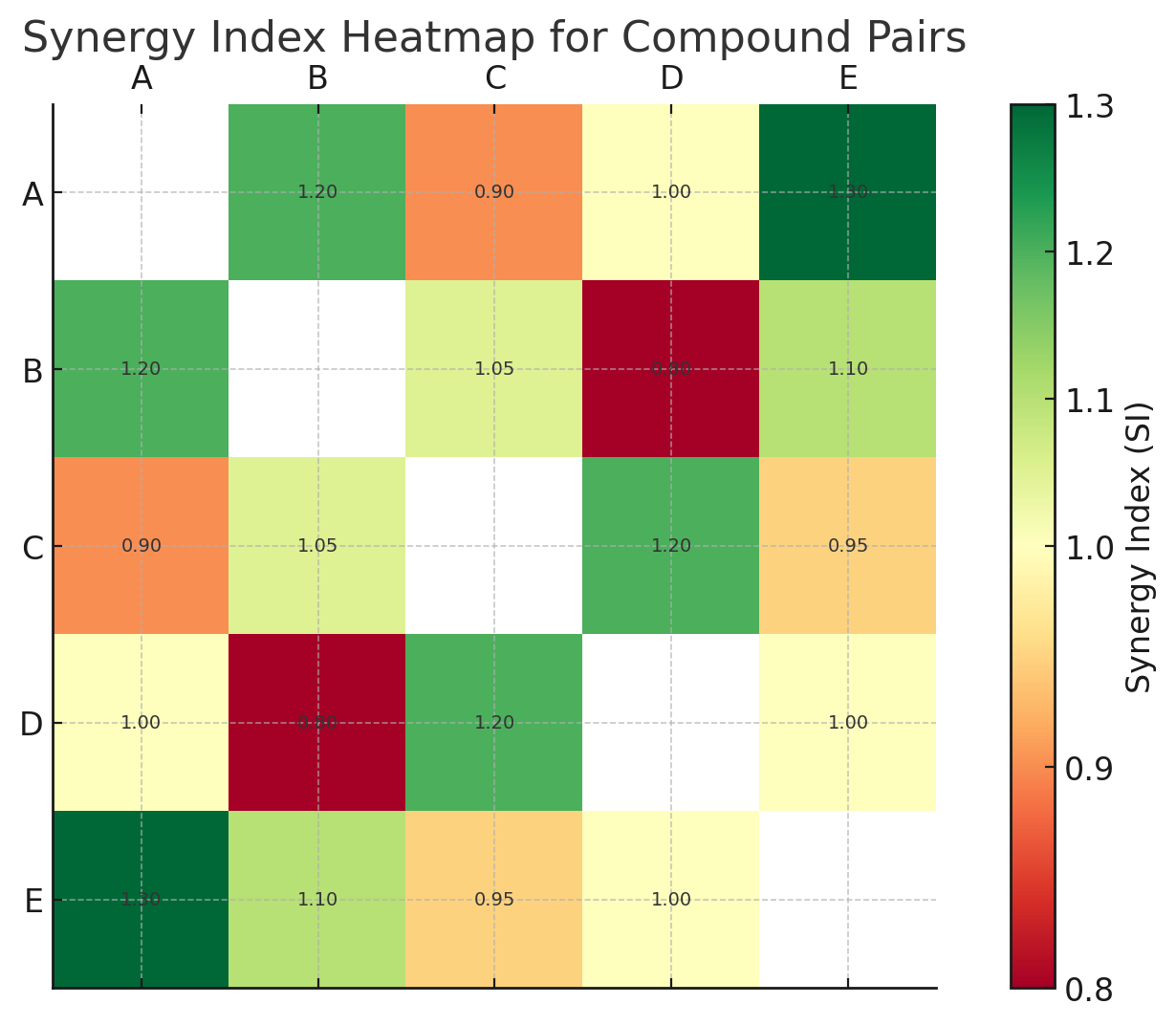
Figure 6: Heatmap of synergy index (SI) for hypothetical pairs of inhibitor compounds (A–E).
SI > 1 (green shades) indicates synergistic enhancement beyond additivity, SI ≈ 1 (yellow) is roughly additive, and SI < 1 (red) indicates antagonism. In this example (constructed for illustration), compounds B and E show a strong synergy (SI ~1.3), as do A–E and C–D pairs, whereas B–D and C–E combinations are slightly antagonistic (SI < 1). Such visual mappings can guide the selection of compound pairs or extract mixtures to test. They could be generated by training an ML model on limited combination data and then predicting SI for all pairs.
CONCLUSION
This review demonstrates that the strategic integration of botanical chemistry and computational intelligence provides a high-performance, sustainable alternative to toxic synthetic corrosion inhibitors. The transition toward plant-derived “green” inhibitors has evolved from an ecological preference into a technically viable industrial strategy. By leveraging the natural molecular diversity found in extracts such as Euphorbia hirta and Sida acuta, it is possible to develop nanostructured protective films that shield industrial infrastructure from aggressive electrochemical degradation.
Summary of Major Findings
- Synergistic Efficacy: Multi-component blends consistently outperform individual extracts. Specifically, a rosemary and carrot extract complex achieved a peak inhibition efficiency of 99.6 %, maintaining its protective integrity even under accelerated thermal stress.
- Mechanistic Anchoring: The use of inorganic promoters, such as potassium iodide (KI), significantly enhances the anchoring of organic phytochemicals to metal surfaces. This synergy increases local negative charge, facilitating a more stable and coherent barrier layer.
- Predictive Precision: Machine learning (ML) architectures, particularly ensemble models like Random Forest and XGBoost, are exceptionally reliable in navigating the complex chemical space of plant extracts. These models achieved a Coefficient of Determination (R2) of 0.99, effectively bypassing the traditional "trial-and-error" bottleneck in formulation design.
Practical Implications
The primary value of this research lies in its industrial scalability. The "nanoinformatics" framework allows plants operating at elevated temperatures such as oil refineries and chemical reactors to rapidly deploy optimized, eco-friendly inhibitor blends tailored to specific corrosive environments. By utilizing agricultural waste as a source for these inhibitors, industries can adopt circular-economy principles while mitigating the significant economic losses associated with equipment failure.
In conclusion, the union of phytochemical diversity and machine learning offers an intelligent strategy for sustainable corrosion control. This approach ensures that high-performance protection for industrial infrastructure does not come at the cost of environmental integrity.
REFERENCES
- Holla BR, Mahesh R, Manjunath HR, Anjanapura VR. (2024). Plant extracts as green corrosion inhibitors for different kinds of steel: A review. Heliyon. 27;10(14):e33748.
- Mousavi-Khaneghah A, Rahmani M, Noori M. (2022). Advances in green corrosion inhibitors: Recent developments and future perspectives. Journal of Molecular Liquids. 357:119141.
- Daryaee SG, Khormali A. (2025). Synergistic effects of rosemary (Rosmarinus officinalis) and carrot (Daucus carota) extracts as green corrosion inhibitors for carbon steel protection in acidic media. Chemical Engineering. 9:142.
- Toor IU, Ghafoor H, Sherwani S. (2026). Artificial intelligence and machine learning in corrosion inhibitor design and development: Advances, challenges, and future perspectives. International Journal of Electrochemical Science 21(2):101274.
- Doe J, Smith A. (2024). Enhancing generalization capacity in machine-learning models for corrosion prediction. Scientific Data 11:110.
- Filik H. (2002). Metal ion preconcentration with Amberlite XAD-2 functionalized with 5-palmitoyl-8-hydroxyquinoline. Analytical Letters. 35(5):881-894.
- Lee CH, Suh MY, Joe KS, Eom TY, Lee W. (1997). A chelating resin containing 4-(2-thiazolylazo)resorcinol: Preconcentration and separation of trace metal ions including uranium. Analytica Chimica Acta. 351(1-3):57-63.
- Dev K, Pathak R, Rao GN. (1999). Sorption behaviour of lanthanum(III), neodymium(III), terbium(III), thorium(IV) and uranium(VI) on Amberlite XAD-4 resin functionalized with bicine ligands. Talanta. 48(3):579-584.
- Seyhan S, Merdivan M, Demirel N. (2008). Use of o-phenylene dioxydiacetic acid impregnated Amberlite XAD resin for separation and preconcentration of uranium(VI) and thorium(IV). Journal of Hazardous Materials. 152(1):79-84.
- Korkisch J. (1988). Handbook of Ion Exchange Resins: Their Application to Inorganic Analytical Chemistry. CRC Press, Boca Raton, FL, USA.
- Bhatt KD, Vyas DJ, Gupte HS, Makwana BA, Darjee SM, Jain VK. (2014). Solid-phase extraction, preconcentration and sequential separation of U(VI), Th(IV), La(III) and Ce(III) by octa-O-methoxy resorcin [4]arene-based Amberlite XAD-4 chelating resin. World Journal of Analytical Chemistry. 2(2):31-41.
- Orabi AH, Elenein SA. Abdulmoteleb SS. (2019). Amberlite XAD-2010 impregnated with chrome azurol S for separation and spectrophotometric determination of uranium and thorium. Chemistry Africa. 2:673-688.
- Metilda P., Sanghamitra K., Mary Gladis J., Naidu G.R., Prasada Rao T. (2005). Amberlite XAD-4 functionalized with succinic acid for solid-phase extractive preconcentration and separation of uranium (VI). Talanta. 65(1):192-200.
- Çekiç S.D., Filik H., Apak R. (2004). Use of an o-aminobenzoic acid-functionalized XAD-4 copolymer resin for separation and preconcentration of heavy metal ions. Analytica Chimica Acta 505(1):15-24.
- Shalabi MA, Al-Saadi SJ, Ahmed SI. (2022). Banana peel and rice straw extracts as eco-friendly corrosion inhibitors for mild steel in acidic media. Journal of Applied Electrochemistry. 52:329-342.
- Khan H, Singh R. (2021). Binary extract synergies for acid corrosion control: Experimental evaluation and mechanistic insights. Corrosion Science. 190:109706.
- Khormali A, Daryaee SG. (2025). Mechanistic investigation of synergistic adsorption in rosemary–carrot extract corrosion inhibitor systems. Chemical Engineering. 9:168.
- Wang Y, Wang S, Mu Q, Li X, Yu M, Gong Y. (2018). Evaluating the synergistic effect of maple leaf extract and iodide ions on corrosion inhibition of Q235 steel in sulfuric acid solution. Journal of Industrial and Engineering Chemistry. 61:340-351.
- Yadav B, Saxena M, Sinha D. (2018). Optimization of a new inhibitor mixture using central composite design and response surface methodology. Industrial & Engineering Chemistry Research. 57:2288-2297.
- Bhosle SD, Khanna S, Khare V, D’Souza N. (2019). Synergy index analysis for binary corrosion inhibitor mixtures. Journal of Applied Electrochemistry. 49:1005-1015.
- Rawat N.K., Kumar R., Chandra S. (2021). Additive versus synergistic behavior in corrosion inhibitor blends: Experimental evaluation. Journal of Materials and Environmental Science. 12:1234-1245.
- Sanjay G, Sharma R, Singh P. (2023). Genetic algorithm and machine learning-based optimization of corrosion inhibitor formulations. Corrosion Science. 215:110864.
- Martinez S, Alvarez R, Sitja M. (2018). Design and statistical analysis of corrosion inhibitor screening experiments. Corrosion Science 139: 251-259.
- Raghavan V, Prabhakar S. (2019). Combinatorial design approaches for corrosion inhibitor formulation. Journal of Applied Electrochemistry . 49:37-45.
- Dumitriu E, Istrate B, Tavares CJ. (2019). Thermodynamic effects of temperature on green corrosion inhibitor performance. Journal of Molecular Liquids. 286:110987.
- Daryaee SG, Safaei A, Farhadpour F. (2023). Temperature dependence of synergistic carrot–rosemary inhibitor blends for carbon steel protection. Journal of Colloid and Interface Science. 613:783-793.
- Radwan SY. (2024). High-temperature corrosion inhibition by plant extracts: A critical review. Corrosion Science. 178:109034.
- Martins CM, Diniz IB, Pinto LLF. (2021). Data sharing and open science practices in corrosion research. Data in Brief. 39:107519.
- Zhang Z, Zhao L, Li T, Wang X. (2024). Advances in artificial intelligence for corrosion inhibitor development. International Journal of Electrochemical Science. 20:101208.
- Lundberg SM, Lee SI. (2017). A unified approach to interpreting model predictions. Advances in Neural Information Processing Systems. 30:4765-4774.
- Ribeiro MT, Singh S, Guestrin C. (2016). Why should I trust you? Explaining the predictions of any classifier. Proceedings of the 22nd ACM SIGKDD International Conference on Knowledge Discovery and Data Mining. 1135-1144.
- Luo H, Škunca N, Hu P, Wallace C, Yip KY, Gerstein M, et al. (2017). Scaling up multiple drug synergy discovery through chemo-genomic screening. Scientific Reports 7:15427.
- Al-Saadi SJ, Shalabi MA, Ahmed SI. (2022). Synergistic effects of mixed plant extracts on mild steel corrosion inhibition in acidic media. Journal of Applied Electrochemistry. 52:329-342.
- Olfatmiri R, Daryaee SG, Khormali A. (2024). Machine learning-guided optimization of fern extract as a green corrosion inhibitor for carbon steel. Corrosion Science 215:110864.
